Every brand says it sources responsibly. Very few will tell you where from, because the honest answer usually includes a gap. Here is ours, gaps included.
The fibre
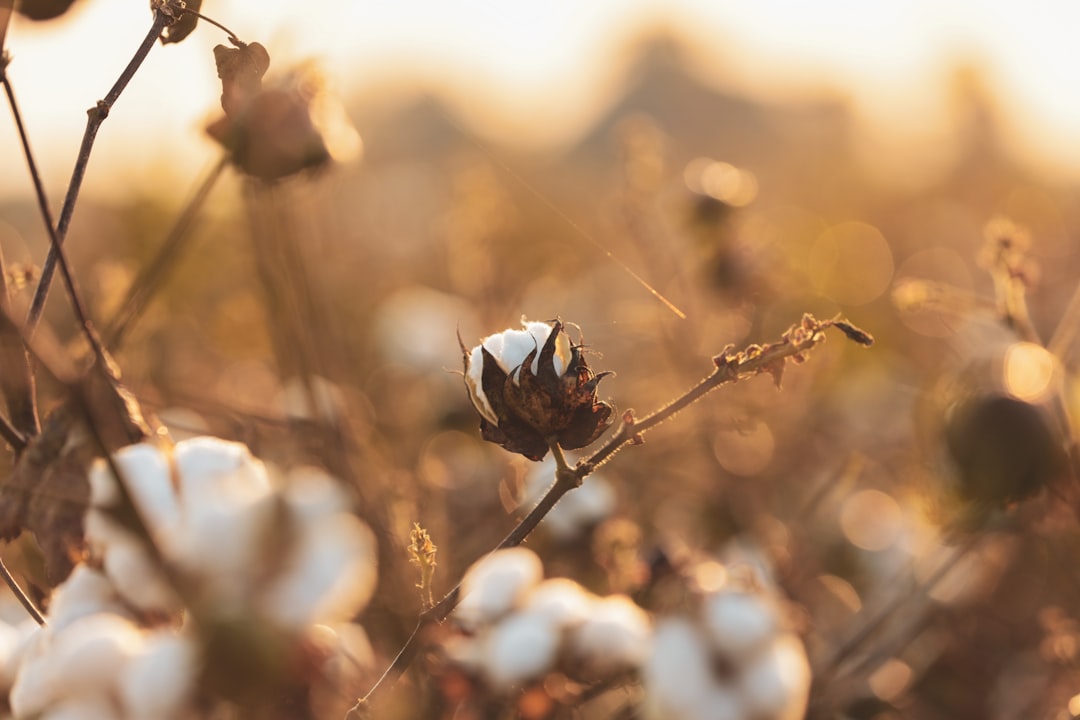
Our cotton is organic and comes through two spinners, one in Portugal and one in Turkey. Organic certification covers how the crop is grown, no synthetic pesticides and no genetically modified seed, and it is audited annually. What it does not tell you much about is water use, which varies enormously by region and is the part of cotton farming we find hardest to get straight answers on.
The mill
Knitting and dyeing happen at a single family-run mill in northern Portugal. We use one mill deliberately. Spreading production across several would be cheaper and would also mean we could not keep track of any of them properly. We visit twice a year, and the visits are announced, which is worth saying because unannounced audits catch things that announced ones do not.
The dye
Reactive dyes, OEKO-TEX certified, with water treated on site before discharge. This is the least glamorous part of the process and the one with the largest environmental footprint. Anyone who talks about sustainable clothing without mentioning dyeing is skipping the hard bit.
What we cannot see
We know our mill. We know our spinners. We do not have full visibility of the farms the raw fibre comes from, because organic cotton is aggregated at the gin and by the time it reaches a spinner it is a blend from many growers. That is normal across the industry and it is still a gap. We would rather write it down than imply we have solved it.
If you want the certificates, email us and we will send them. They are dull reading, but they exist.

Leave a Reply