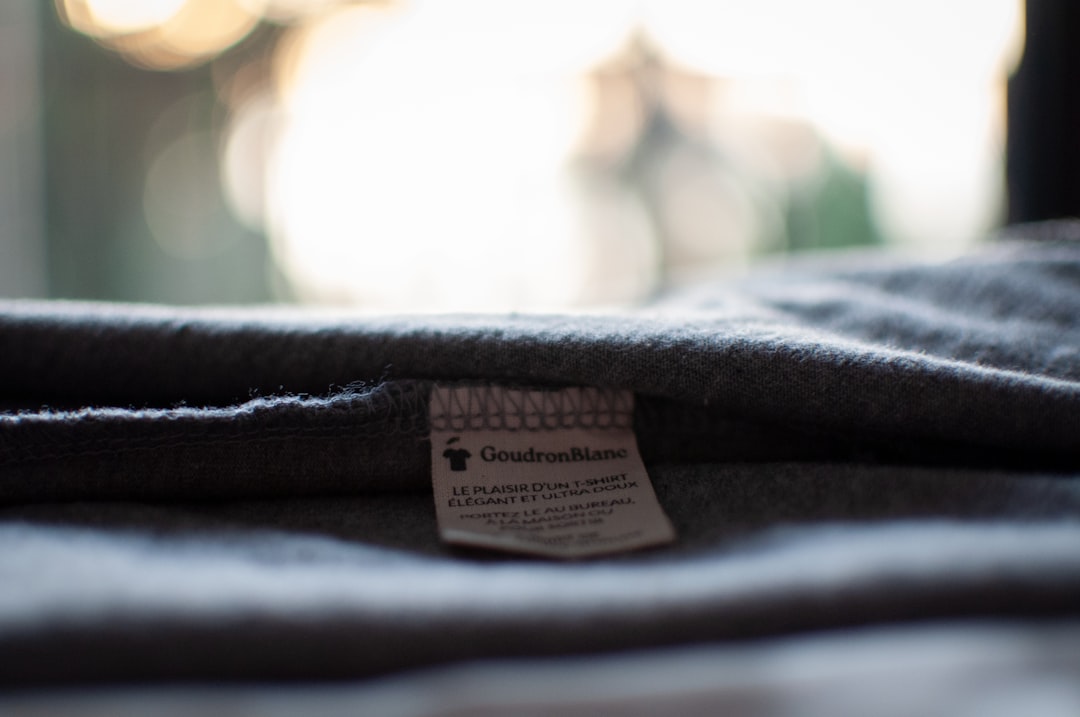
Most fabric labels are written for buyers, not customers. Once you know what three or four terms mean, you can tell a shirt that will last from one that will not, without touching it.
GSM is the single most useful number
Grams per square metre tells you the weight of the cloth. A summer tee sits around 140–160 GSM. Our everyday tee is 185, which is why it holds its shape through a hot wash. Anything over 220 starts to feel like a sweatshirt.
Combed and ring-spun are not marketing words
Combing pulls the short fibres out before spinning, so the yarn is smoother and pills far less. Ring-spinning twists it tighter. Together they cost more per kilo and are the difference between a tee that looks tired after ten washes and one that does not.
Watch for the blend percentages
A little elastane, two to five percent, helps a garment recover its shape. Much more than that and you are buying stretch at the cost of breathability. Full synthetics have their place in outerwear, less so against the skin.
If you only remember one thing: check the GSM, then check whether the cotton is combed. Those two numbers predict how a piece will age better than the price does.

Leave a Reply